Friction testing stands as one of the most critical elements of helideck safety and compliance. For offshore helicopter landing areas maintaining adequate surface friction is essential to prevent accidents, protect personnel, and ensure continuous operational capability. This comprehensive guide explores why helideck friction testing matters, how the process works, regulatory requirements, and best practices for maintaining compliant, safe helicopter landing areas.
Why Helideck Friction Testing Is Critical
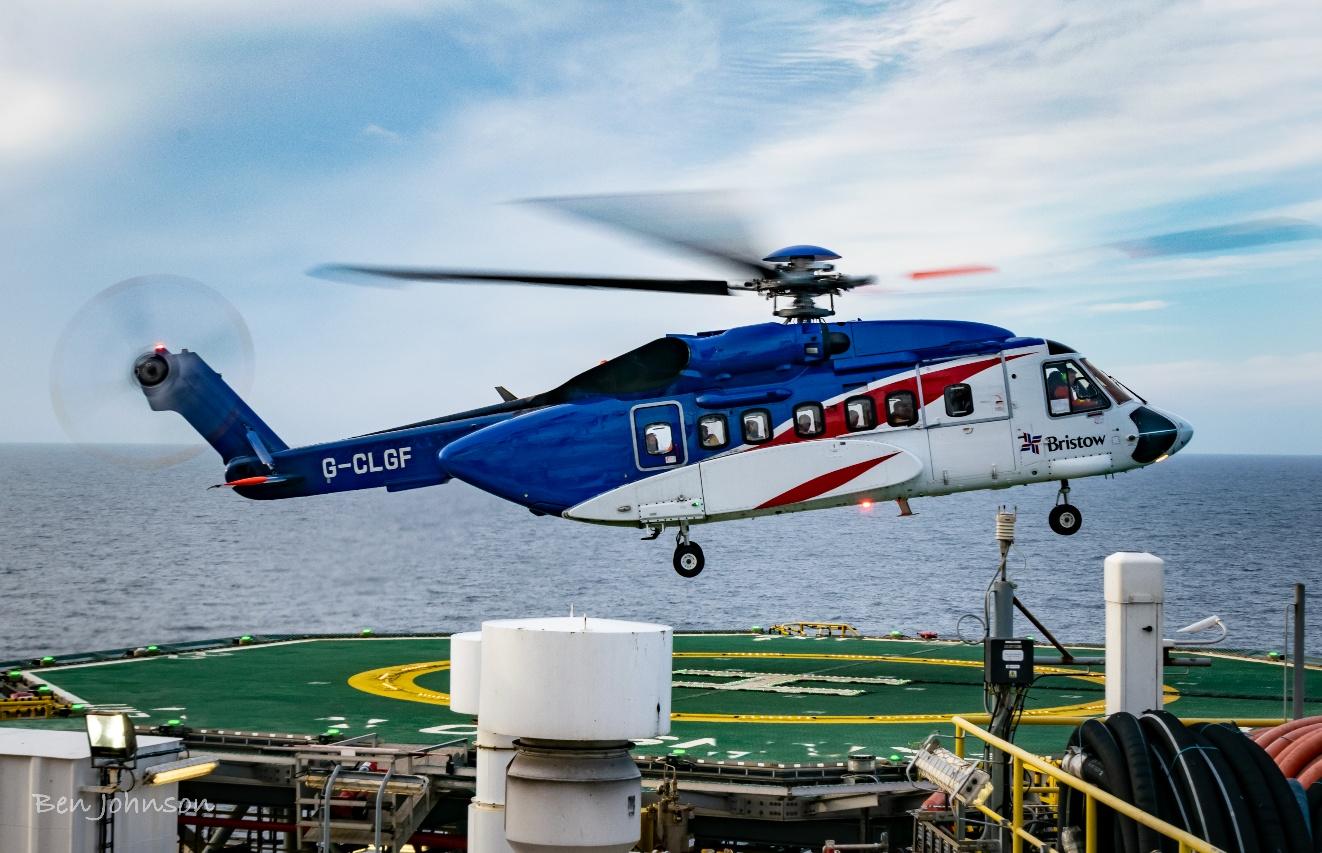
When a helicopter approaches or departs, rotor downwash creates lateral forces attempting to destabilise and move the aircraft. The friction between the wheels and deck surface provides the only resistance to this force, preventing skidding and maintaining pilot control.
Offshore and maritime environments present particular friction challenges. Salt spray, rain, guano, algae growth, oil contamination, and general weathering can rapidly degrade surface friction. Even minor friction reduction can compromise helicopter safety, particularly during emergency operations, poor visibility approaches, or when deck motion creates additional stability challenges.
Testing ensures the deck surface remains within safe operating parameters despite these environmental pressures. Regular friction assessment detects degradation early, enabling maintenance before friction falls below critical thresholds, preventing operational shutdowns and ensuring helicopter operations continue safely.
Understanding Friction Coefficients and CAP 437 Standards
Friction is measured as a coefficient of friction (μ), representing the ratio between friction force and normal force pressing surfaces together. In practical helideck friction testing, however, measurements are typically obtained using specialised equipment such as the Micro GripTester. This instrument reports results as GripNumber (GN). In in-deck measurement mode, GripNumber values correspond directly to the coefficient of friction (μ), meaning that a GN reading effectively represents the same friction performance value.
Surface Friction Values Requirements
Fixed Installations:
- Inside touchdown circle: μ ≥ 0.60
- Outside touchdown circle: μ ≥ 0.50
Moving Installations (vessels, semi-submersibles, mobile offshore units):
- Inside touchdown circle: μ ≥ 0.65
- Outside touchdown circle: μ ≥ 0.50
These values apply when surfaces are wet. Heli-deck surveys should not be conducted on a dry surface as this will show artificially high friction readings. The higher friction requirements for moving installations reflect the additional complexity created by vessel motion and pitch that can reduce effective friction during operations.
The Helideck Friction Testing Process
Professional friction testing employs standardised methodology, approved equipment, and rigorous procedures to generate reliable, comparable data that demonstrates compliance with CAP 437 standards.
Testing Equipment: The Micro GripTester
The industry-standard device for helideck friction testing is the Micro GripTester, a portable friction measuring instrument specifically designed for helideck applications.
The Micro GripTester features:
- Portable design: Weighing approximately 23 kilograms, the device can be transported to remote installations or deployed on vessels without specialised handling equipment
- Single-operator capability: The device is designed for operation by a single trained technician, eliminating the need for large field teams
- Touchscreen interface: A user-friendly digital interface guides the operator through testing procedures, ensuring consistent methodology
- Automatic data logging: Friction values are continuously recorded and automatically mapped across the helideck surface
- Water system: Integrated water application equipment ensures consistent surface wetting during testing
- Digital analysis: Built-in software converts raw friction data into colour-coded maps displaying areas of compliance and deficiency
The Micro GripTester employs a locked-wheel braking system, where a test wheel made from aircraft tyre material is braked at a controlled rate whilst being pushed across the helideck surface. This method simulates helicopter landing gear contact under realistic conditions.
Testing Methodology
Professional friction testing follows a standardised procedure ensuring comprehensive coverage and reliable results:
Pre-Testing Preparation: Visual inspection identifies surface contamination, damage, or deterioration requiring attention prior to testing. The helideck surface is cleaned of debris, Guano, oil residue, or other contaminants that would negatively effect testing results.
Comprehensive Mapping: Friction values are recorded across a grid pattern with 1 square metre resolution, generating a complete friction map of the entire landing area. This granular approach identifies specific areas of deficiency requiring targeted maintenance.
Wet Surface Testing: Testing is conducted with the helideck surface using the equipment’s water system, emulating realistic offshore conditions where rain, spray, and environmental moisture affect grip characteristics.
Data Analysis: Test data is automatically analysed and presented in colour-coded format, with green areas indicating full compliance, and red areas indicating deficiency requiring corrective action.
Surface Types and Testing Considerations
Different helideck surface types present unique friction testing challenges requiring specific assessment approaches.
Flat Helidecks
Helidecks often feature flat steel or aluminium structures finished with non-slip coatings such as grit-blasted surfaces or textured epoxy paint. These surfaces are tested in situ using the CFME – Constant Friction Measuring Equipment methodology.
Any helideck resurfacing, recoating, or repainting requires full friction re-testing to confirm the new surface maintains compliance.
Profiled Helidecks
Helidecks can utilise ribbed aluminium planks. These profiled surfaces present unique testing challenges due to potential directional friction variation between ribs and grooves. CAP 437 recognises this complexity, distinguishing between legacy profiled decks with anti-slip coatings, which may be tested using standard methodology, and new profiled deck installations, which typically require one-time full-scale testing under controlled conditions using real helicopter wheels under specified loads and orientations.
Where full-scale testing produces a negative result, indicating that the required friction performance has not been achieved in one or more wheel orientations or loading conditions, the deck surface should be subject to remedial treatment before helicopter operations are permitted. Remedial measures may include the application of a micro-textured surface finish, such as grit blasting or the application of a non-slip coating or paint system, intended to increase macro- and micro-texture and improve friction characteristics.
Where such surface modifications are applied to a profiled deck following full-scale testing, the surface should thereafter be treated as a coated or micro-textured helideck surface for the purposes of in-service monitoring. In these circumstances, friction testing should be carried out at least annually to confirm that adequate friction performance is maintained throughout the service life of the treatment.
Friction Testing Frequency and Compliance
CAP 437 provides flexible guidance on friction testing frequency, recognising that helidecks with proven good friction characteristics may require less frequent testing than those with marginal performance.
Standard Testing Frequency
Annual Testing: Most helidecks require friction testing annually as standard practice, ensuring regular monitoring of surface condition and prompt identification of degradation.
Extended Testing Intervals: Helidecks demonstrating friction values at least 0.1 above minimum requirements qualify for extended testing intervals to 24 months if test results consistently demonstrate excellent friction characteristics and established trendlines show stable or improving performance.
Corrective Actions for Friction Deficiency
When friction testing identifies areas falling below CAP 437 minimum thresholds, immediate corrective action is required before helicopter operations can resume.
Common Remediation Methods
Non-Slip Coating Application: Reapplying non-slip coatings, such as grit-enhanced paint for friction improvement. These coatings typically incorporate aggregate particles providing reliable grip in both wet and dry conditions.
Surface Blasting and Preparation: Grit blasting removes contamination, oxidation, and degraded coating, exposing fresh underlying material. This process often restores friction to acceptable levels, particularly on decks where surface contamination rather than underlying deterioration caused the deficiency.
Helideck Netting: Installing helideck netting provides friction augmentation through mesh contact with landing gear. Netting reduces friction deficiency issues and provides supplementary safety benefits. Helideck nets can only be utilised if the average GripNumber is a minimum of 0.5 across all areas of the helideck.
Comprehensive Surface Maintenance: Regular cleaning, including removal of bird droppings, oil residue, algae, and other contaminants, reduces friction degradation and extends maintenance intervals.
Documentation and Reporting Requirements
Comprehensive friction testing survey report supports compliance demonstration, operational decision-making, and safety investigations if required.
Information within the report includes:
- The name of the helideck/installation.
- The name of the surveyor.
- Approved Training / Competence certificate for surveyor
- The date of the survey.
- The type of helideck, e.g. flat textured, profiled (grit blasted/friction painted/no texturing).
- The condition of the helideck surface at the time of testing, e.g. wet/dry.
- Details (e.g. location, size, nature of damage) of any damaged or suspect areas on the helideck surface.
- The prevailing weather conditions.
- The type, serial number and calibration details of the friction tester.
- The software version installed on the friction tester.
- The orientation of the test runs.
- Photograph(s) showing the entire deck surface identifying the direction of the test runs, and close-up photographs of any non-compliant or damaged areas.
All documentation should be maintained within the helideck safety management system and made available for regulatory inspections or verification audits.
Benefits of Professional Friction Testing Services
Engaging professional helideck friction testing services provides multiple advantages:
Regulatory Compliance: Professional testing services demonstrate adherence to CAP 437 requirements, supporting compliance verification and regulatory audit readiness.
Objective Assessment: Independent testing eliminates bias, providing objective friction data that supports maintenance decision-making.
Operational Continuity: Early identification of friction deficiency enables planned maintenance during scheduled downtime, preventing emergency shutdowns that disrupt helicopter operations.
Cost Optimisation: Professional testing identifies friction performance trends, enabling optimised testing intervals and targeted maintenance that reduces overall costs whilst maintaining safety.
Insurance and Liability Protection: Comprehensive testing documentation demonstrates duty of care and responsible operations, supporting insurance claims if incidents occur.
Crew Safety and Confidence: Documented friction compliance ensures crew and helicopter operators understand the helideck meets safety standards, maintaining operational confidence.
Helideck Friction Testing Best Practices
Maximising helideck safety and operational efficiency requires implementation of comprehensive friction testing best practices:
Regular Testing Schedule: Maintain consistent testing frequency aligned with CAP 437 guidance based on historical performance and operational requirements.
Proactive Maintenance: Implement regular cleaning and maintenance programmes preventing surface contamination and friction degradation between formal test cycles.
Documentation Systems: Maintain comprehensive records supporting compliance demonstration and enabling trend analysis guiding maintenance decisions.
Personnel Competency: Ensure helideck operators and maintenance personnel understand friction testing requirements, corrective action procedures, and documentation obligations.
Trend Monitoring: Review friction performance trends over multiple testing cycles to identify gradual degradation patterns enabling predictive maintenance planning.
Equipment Calibration: Verify friction testing equipment remains properly calibrated, maintaining data reliability and comparability across testing cycles.
Professional Partnership: Engage experienced friction testing providers who understand helideck-specific challenges and can provide expert guidance on maintenance optimisation.
Conclusion: Prioritise Helideck Friction Testing for Safety and Compliance
Helideck friction testing represents a non-negotiable component of helicopter operations safety. By adhering to CAP 437 standards, maintaining regular testing schedules, and implementing effective corrective maintenance programmes, helideck operators ensure their landing surfaces remain compliant, safe, and ready for helicopter operations under all conditions.
The investment in professional friction testing services protects personnel, supports operational continuity, demonstrates regulatory compliance, and provides the documented evidence of responsible operations essential in today’s safety-conscious maritime and offshore environment.
Contact Helideck Certification Agency today to discuss your helideck friction testing requirements and discover how our expert services can ensure your landing area meets the highest safety standards whilst optimising operational efficiency.