Helidecks are designed to provide a safe landing and take-off area in some of the world’s most challenging environments. Whether located on offshore oil and gas platforms, wind farms, or maritime vessels, these structures are constantly exposed to heavy rainfall, sea spray, and harsh weather conditions. Without an effective drainage system, water can accumulate on the deck, creating serious safety hazards for aircraft and personnel.
Proper helideck drainage systems play a vital role in maintaining surface integrity, preserving friction levels, and ensuring compliance with aviation and offshore safety standards. By combining intelligent deck design with routine inspections and maintenance, operators can significantly reduce operational risks associated with standing water.
Why Helideck Drainage Matters
Water pooling on a helideck is more than just an inconvenience—it poses a direct threat to flight safety. Standing water can reduce tire grip against the helideck surface and conceal surface defects that may otherwise be visible during inspections.
Additionally, poor drainage can accelerate deck deterioration through corrosion, increase maintenance costs, and create slip hazards for ground personnel conducting refuelling, inspections, or passenger transfers.
A well-designed drainage system helps ensure that water is quickly and efficiently removed from the landing surface, keeping the helideck safe and operational even during adverse weather conditions.
Deck Grading and Drainage Design
Effective drainage begins during the engineering and design phase. Helidecks should be constructed with appropriate grading that encourages water to flow naturally toward designated drainage points rather than collecting on the landing surface.
Optimized Deck Slope
Helideck surfaces are carefully graded to promote positive drainage while maintaining a stable landing platform. The deck slope must strike the right balance—sufficient to prevent water accumulation but not so steep that it affects helicopter operations or passenger movement.
Engineering considerations include:
- Deck geometry and dimensions
- Drainage channel placement
- Structural loading requirements
- Surface coating compatibility
- Environmental exposure
Proper grading minimizes the likelihood of localized water pooling while ensuring efficient runoff during heavy rainfall.
Drainage System Components
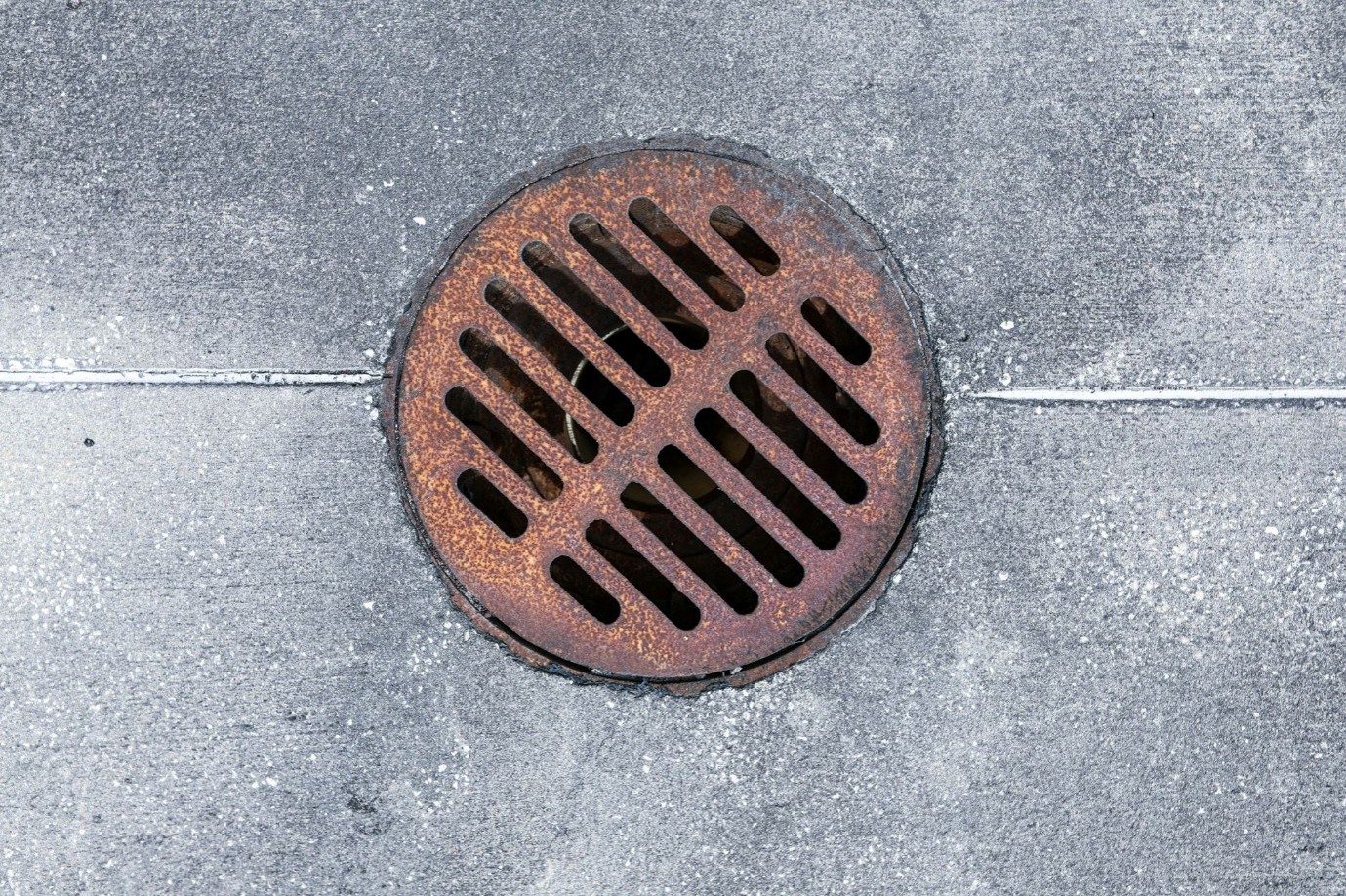
Modern helideck drainage systems typically include several integrated components that work together to remove water quickly and safely:
- Deck drainage channels
- Perimeter gutters
- Scuppers and drainage outlets
- Collection piping
- Water discharge systems
These components must be sized appropriately to handle anticipated rainfall intensity while preventing blockages caused by debris, salt deposits, or corrosion.
The Impact of Water Accumulation on Surface Friction
Maintaining adequate friction is essential for safe helicopter operations. Excessive water accumulation can significantly reduce the effectiveness of anti-slip deck coatings, especially during periods of intense rainfall or persistent sea spray.
Reduced Landing Performance
Standing water can affect:
- Helicopter tyre traction
- Braking effectiveness
- Ground handling stability
- Passenger and crew footing
- Emergency response activities
Combined with fuel spills or hydraulic fluid leaks, pooled water can further reduce surface grip, increasing the risk of slips and operational incidents.
Protecting Anti-Slip Surfaces
Anti-slip coatings are designed to maintain traction under wet conditions, but their performance depends on effective drainage. Water that remains trapped on the deck for extended periods can accelerate coating wear, encourage corrosion beneath protective layers, and shorten maintenance intervals.
Regular inspections help identify worn coatings and drainage deficiencies before they compromise operational safety.
Offshore Environmental Considerations
Offshore helidecks operate in environments that place unique demands on drainage system performance.
Heavy Rainfall
Many offshore installations experience sudden, high-intensity rainstorms that can overwhelm poorly designed drainage systems. Drainage capacity should be engineered to accommodate expected rainfall rates without allowing water to accumulate on operational areas.
Sea Spray and Saltwater Exposure
Sea spray presents an additional challenge. Saltwater accelerates corrosion within drainage channels, piping, and deck structures while leaving deposits that can restrict water flow over time.
Routine cleaning is essential to prevent salt buildup and maintain drainage efficiency.
Wind and Debris
Strong offshore winds frequently carry debris such as dust, vegetation, packaging materials, or marine contaminants onto helidecks. These materials can obstruct drainage outlets and create localized pooling if left unchecked.
Preventive maintenance programs should include regular cleaning of all drainage paths to ensure uninterrupted water flow.
Helideck Drainage Inspection Checklist
Routine inspections are critical for maintaining both safety and regulatory compliance. Operators should incorporate drainage assessments into scheduled helideck inspections.
A comprehensive inspection should include:
- Verification that deck surfaces remain free from standing water
- Inspection of drainage channels for blockages or damage
- Examination of scuppers and discharge outlets
- Assessment of anti-slip surface condition
- Inspection for corrosion around drainage components
- Confirmation that deck grading remains effective
- Removal of debris, salt deposits, and contaminants
- Documentation of corrective maintenance activities
Maintaining detailed inspection records supports compliance while helping identify recurring issues before they become operational risks.
Maintaining Compliance Through Preventive Maintenance
Drainage performance should never be considered a one-time engineering achievement. Offshore operating conditions continuously expose helidecks to wear, corrosion, and environmental stress that can gradually reduce drainage effectiveness.
Preventive maintenance programs should include:
- Scheduled cleaning of drainage systems
- Routine corrosion inspections
- Surface friction testing
- Anti-slip coating maintenance
- Drainage flow verification after severe weather
- Periodic engineering assessments
Proactive maintenance extends the lifespan of drainage infrastructure while helping operators meet industry safety requirements.
Conclusion
Effective helideck water safety begins with intelligent drainage design and continues through disciplined inspection and maintenance. Proper deck grading, efficient drainage systems, and regular assessments work together to eliminate standing water, preserve surface friction, and reduce operational risk in demanding offshore environments.
As environmental conditions become increasingly unpredictable, ensuring that your helideck drainage systems remain fully functional is essential for protecting personnel, aircraft, and critical offshore assets.
Review Your Drainage Compliance
Is your helideck prepared to handle heavy rainfall, sea spray, and changing offshore conditions?
Helideck Certification Agency provides comprehensive drainage compliance assessments to evaluate deck grading, water management systems, surface condition, and overall regulatory compliance. Our expert inspections help identify drainage deficiencies before they impact operational safety.
Contact Helideck Certification Agency today to review your drainage compliance and keep your helideck operating safely in all weather conditions.